
If you’re injured in a car accident in Ontario, you may qualify for statutory accident benefits regardless of who caused the crash. If someone else was legally responsible, you may also be able to pursue a personal injury lawsuit. Each route has its own rules, deadlines and forms of compensation. Your options depend on the accident, your injuries and the insurance coverage that applies.
Brij Mohan & Associates helps drivers, passengers, pedestrians and cyclists in Brampton understand what they can claim and which deadlines apply. If the collision just happened, address any immediate safety and medical needs, then report the collision and notify your insurer promptly.
What should I do right after a car accident?
Call 911 if anyone is seriously injured or there’s an immediate danger. In Brampton, follow Peel Regional Police’s collision reporting guidance for when police should attend and when to use a Collision Reporting Centre. Get medical attention for injuries and tell the treating provider when your symptoms started and how they affect you.
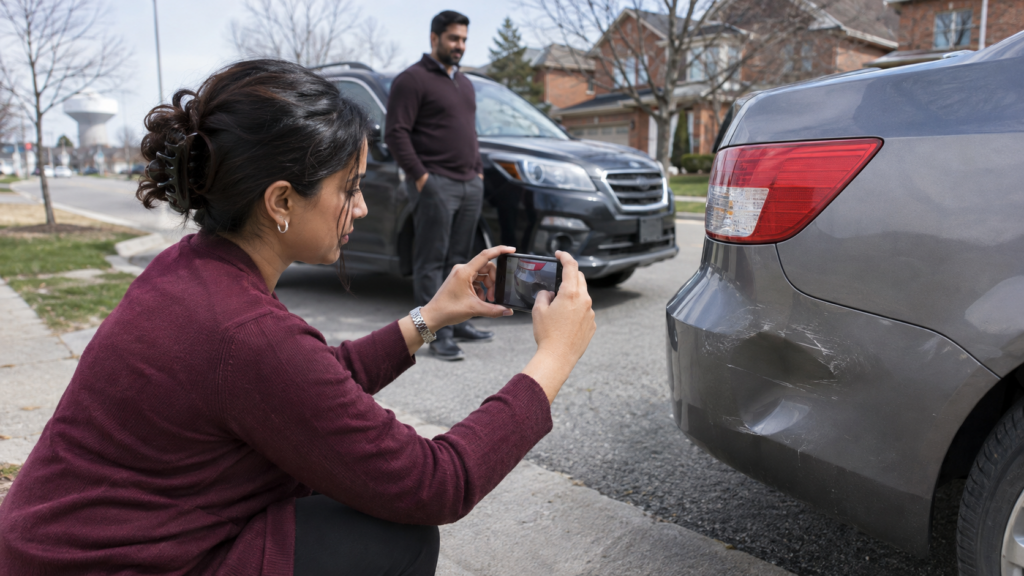
When it’s safe, exchange contact, licence plate and insurance information with the other driver. Keep witness contact details and save photographs of the scene and vehicle damage. If you have dashcam footage, save a copy before your device overwrites it. These records can help establish what happened if accounts differ later.
Can I get accident benefits if I was at fault?
Yes. Ontario’s statutory accident benefits can be available even if you caused the collision. Depending on your eligibility and coverage, benefits can help pay for medical care, rehabilitation or assistance with daily activities. Examples include physiotherapy and help with personal care when the applicable requirements are met.
For new Ontario policies purchased on or after July 1, 2026, medical, rehabilitation and attendant care benefits remain mandatory. Other benefits, including income replacement, are optional. For policies that renew on or after that date, existing benefits generally carry forward unless you agree in writing to change or decline them. Ask the insurer which benefits the applicable policy included on the date of the crash. FSRA explains standard and optional coverage.
How do I apply for Ontario accident benefits?
Tell the insurer you intend to apply within seven days of the accident, or as soon as possible if you cannot meet that timeframe. The insurer’s application package includes the Application for Accident Benefits, known as the OCF-1. Generally, return it within 30 days of receiving it. If you’re already late, send it and explain the delay. Keep copies of what you submit and any confirmation of receipt.
If you were a passenger, pedestrian or cyclist, you may still qualify even if you don’t own a car. Ontario’s insurance priority rules determine which insurer should handle the application. Tell the insurer or your lawyer about any auto policies that may cover you and provide whatever identifying information you have about the vehicles involved. FSRA’s guide explains the insurance claims process.
Can I sue the driver who caused the accident?
You may be able to sue if another driver’s negligence caused your injuries. A lawsuit can seek compensation for losses such as lost earnings and pain and suffering, subject to Ontario’s rules. If you share responsibility for the crash, your share of fault can reduce the damages you recover.
Ontario generally requires an injured person seeking pain and suffering damages from a protected defendant to show permanent serious disfigurement or permanent serious impairment of an important physical, mental or psychological function. A statutory deductible may also affect the amount recovered. Our Brampton car accident lawyers can explain how the threshold and deductible may apply to your circumstances. Ontario’s regulation sets out the impairment criteria.
How long do I have to take legal action?
Ontario’s basic deadline for starting a lawsuit is generally two years from when the claim was discovered. In many collision cases, that period starts on the accident date. Exceptions can affect how the deadline is calculated. Ontario’s Insurance Act also generally calls for written notice of an intended bodily injury lawsuit within 120 days of the accident, subject to the court’s power to allow more time. See Ontario’s Limitations Act and section 258.3 of the Insurance Act.
What if my insurer denies accident benefits
Ask for the denial in writing and keep the letter and the date you received it. Read which benefit the insurer denied, the reasons it gave and what supporting documents it considered. You can generally dispute a denial of statutory accident benefits through Ontario’s Licence Appeal Tribunal. The tribunal generally requires you to apply within two years of the insurer’s refusal. Keep track of that deadline while discussing the denial with the insurer. Tribunals Ontario explains the application process.
What evidence can help support my claim?
Keep records that show the impact of your injuries over time. Medical notes and treatment records can document symptoms and restrictions. Pay statements, schedules and written confirmation of modified duties can show how your work changed. Save receipts for accident-related expenses and keep the letters your insurer sends you.
It also helps to be specific about everyday activities. If you can work a shorter shift but need more breaks or help with lifting, write down when those changes began. That detail can help explain the difference between returning to work and resuming your previous duties.
Speak with Brij Mohan and Associates in Brampton
If you were injured in a collision, the Brij Mohan & Associates personal injury team in Brampton can review your insurance documents, accident details and any denial letters. Bring what you have so the team can help identify potential benefits, assess whether a lawsuit may be available and explain which deadlines need attention. Request a confidential consultation