Assault and Domestic Charges
A witness may have seen only part of a confrontation. For example, someone might arrive after the first exchange. We review what each person saw and how those accounts fit with messages, photos or recordings.
If you need a criminal lawyer in Toronto, tell us what happened most recently. You may have a police message, a release document, or a court date that is only a few days away.
Brij Mohan & Associates represents Toronto clients from our Brampton office. First, we identify what needs your attention. Then we explain how we can help with the next stage of your case.
Early case assessment
English, Punjabi, Hindi & Urdu
Clear advice on your options
After an arrest or a call from police, the paperwork can feel hard to sort through. Start with the newest document. For example, an appearance notice can give us the date, the location and the reason you need to attend.
Next, tell us what you learned from police and what you learned from someone else. That distinction helps your criminal lawyer in Toronto build a timeline and identify which details need a closer look.
Bring up any immediate problem as well. For instance, a court date may clash with a work shift. A release condition may raise questions about where you can go. We can review those concerns alongside the charge.
The kind of charge can affect what we review first. For example, a driving case may start with a timeline, while a fraud case may start with a set of records.
A witness may have seen only part of a confrontation. For example, someone might arrive after the first exchange. We review what each person saw and how those accounts fit with messages, photos or recordings.
Dates and context can shape how a message or an account reads. We examine the sequence of events and the records the Crown provides. We also discuss how to handle sensitive material during the case.
We map the time from the first police contact through any demand or test. For example, the order of events can help us compare the officer’s notes with available video and other records.
A transaction record or a security clip may show one part of an incident. Therefore, we look at who had access to the property, account or device and what the records show about that access.
A shared vehicle or room can raise questions about who knew an item was there. We review where police found it, who could reach it, and how police conducted the search.
For a bail hearing, we discuss practical details such as housing and who can offer support. In youth cases, we also ask about school schedules and family arrangements when they matter to the next step.
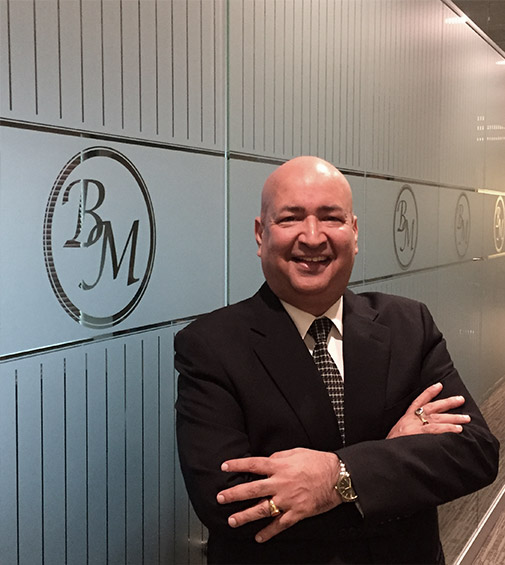
Brij Mohan has represented clients in criminal trials and appeals. His work includes matters that reached the Supreme Court of Canada.
When you speak with our defence team, we start with the decision you face now. For example, you may need to prepare for an appearance, respond to new evidence, or decide how much time you need to review your options.
You can read more about our criminal defence practice and reported decisions. The page describes the kinds of matters the firm handles and links to selected cases.
A new shift, a move, or a change in childcare can raise questions about your release terms. For example, you might need to collect belongings from a place named in your paperwork.
Bring the current document and describe the change you need to make. Then a criminal lawyer in Toronto can review the wording with you and discuss whether you should seek a formal change.
Read the location, time and attendance instructions on your notice. For example, if it names 10 Armoury Street, use the official Toronto courthouse listing to find court office contacts.
If you have two documents with different details, show both to your lawyer. Also, flag an interpreter or access need early so there is time to ask about arrangements.
Make a List of What the Crown Has Shared
Disclosure is the material the Crown shares about its case. For example, it may include police notes, witness accounts, photos or recordings.
When new material arrives, tell your lawyer what you received and when. Then we can compare it with earlier records and identify any gaps that need follow-up.
A criminal lawyer in Toronto can explain what each option would mean for your case. First, we review the Crown’s position and the parts of its evidence that you dispute. Then we discuss the work that each option may require.
Tell us if the outcome could affect a job, a licence, or your immigration plans. Those details can shape the questions you want answered before you decide how to proceed.
You can speak with a criminal lawyer in Toronto before you have every record. However, the following details can help us make good use of the first conversation.
Our Ontario office is at 181 Queen Street East, Brampton. To discuss a Toronto matter, call 416-994-8989.
Yes. Tell us who contacted you, what they asked for, and whether they set a time. With those details, we can discuss how to respond.
Call with the date and the name of the court. We can check what help we can offer before the appearance and what information we need from you.
Keep the original email or letter. Then tell your lawyer when you received the link and what error you see. We can review the access instructions with you.
A family member can call to share basic details or ask how to arrange a consultation. We can explain how we speak with the person who needs legal advice.
Yes. We assist with youth criminal matters. For the first call, have the youth’s court date and paperwork available if you can.
We serve Toronto clients from our Brampton office at 181 Queen Street East. When you call, ask about the available consultation options.
Tell us about the charge, your next court date, or the police contact that prompted your call. We can discuss what to bring and how to arrange a confidential consultation.
Call 416-994-8989
Disclaimer: This page provides general information, not advice about an individual case. Sending an enquiry does not establish representation. The firm must confirm any agreed legal work.