
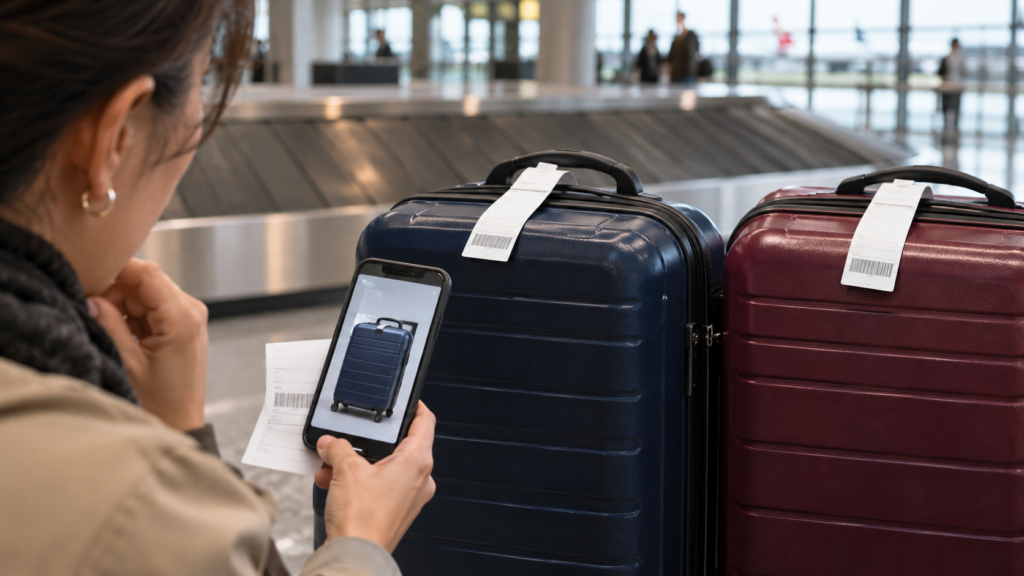
Bag tag switching can turn an ordinary trip into a serious legal problem. A traveller checks in a suitcase, boards a flight and expects to collect the same bag on arrival. However, a baggage label connected to their booking may end up on someone else’s luggage.
A November 23, 2026, CP24 report describes a Canadian couple’s experience following an alleged luggage tag switch. Their planned holiday became an extended stay in New Zealand involving imprisonment and restrictive bail conditions.
The story raises practical questions: How does this happen? What should travellers check? And where can Canadians seek help if authorities detain them overseas?
What Happened to the Canadian Couple?
According to CP24, the couple flew from Toronto Pearson International Airport to Auckland in January 2025. Authorities stopped them after finding one of their baggage tags attached to luggage containing 15 kilograms of methamphetamine.
The report says they spent five weeks in prison, followed by approximately 13 months on bail in a monitored facility at their own expense.
Their lawyer told CP24 that the case ended in their favour after a trial. He also described financial and personal consequences, including the husband losing his job.
These details come from the news report and statements attributed to the couple’s legal representatives. Allegations about how the baggage tag moved should not be presented as findings against any particular airline, airport or worker.
Source: Read the original CP24 report.
How Does Bag Tag Switching Work?
In a bag tag switching scheme, someone moves a passenger’s genuine airline label onto a different suitcase containing illegal items. The label then connects that suitcase to the passenger’s travel details.
The Government of Canada identifies luggage tag switching as a drug-smuggling tactic. Therefore, checking the name or number on a label is only part of identifying your luggage. You also need to recognize the suitcase itself.
For travellers, the troubling issue is the difference between what a baggage label suggests and what actually happened. A label may connect a bag to a booking, while photographs and other records may help explain which suitcase the passenger originally checked.
Practical Steps Before and After Your Flight
The Government of Canada recommends several precautions:
- Photograph your packed suitcase and its contents.
- Remove old airline labels and barcodes.
- Make your luggage easy to recognize.
- Photograph the attached baggage tag at check-in.
- Keep your baggage receipt.
- Check the suitcase and tag number when collecting it.
An electronic tracker may also help monitor a bag’s location. However, these precautions cannot guarantee that interference will never happen.
Keep useful records somewhere accessible during your trip. For example, a clear photograph is more helpful than trying to describe a common black suitcase from memory.
What If the Suitcase or Tag Looks Wrong?
If you notice tampering, an unfamiliar suitcase or a tag mismatch, do not leave the baggage claim area with the luggage.
Report the problem to the airline’s baggage service office immediately. Keep your boarding pass, baggage receipt and photographs. Follow the airline’s procedures and notify local law enforcement where required, particularly if you discover an unfamiliar item inside.
When reporting the problem, describe what you actually observed. For instance, explain that the suitcase differs from your check-in photograph or that its identifying features are unfamiliar. Avoid guessing who caused the problem.
What Should Canadians Do If Arrested Abroad?
Ask the arresting authorities to notify the nearest Canadian government office. Do not assume that notification has already happened.
Canadian consular officials can provide a list of local lawyers, help with communication and explain general information about the local justice system. However, they cannot secure your release, pay your legal fees or act as your lawyer.
The Government of Canada also warns that proceedings overseas may involve lengthy delays. The law and procedures of the country where you are detained apply.
Obtaining legal assistance in that country is therefore an essential step. A lawyer practising there can advise you about the allegations and the process you face.
Keep a Clear Record of What Happened
If possible, prepare a factual timeline for your lawyer. Useful details to discuss may include:
- When and where you checked your suitcase.
- Its colour, brand and distinctive features.
- The number of bags you checked.
- When you first noticed a problem.
- Which airline employees or officials you contacted.
- Any written reports or reference numbers you received.
Separate what you personally remember from what someone later told you. This helps your lawyer understand the information available without mixing facts with assumptions.
Frequently Asked Questions
Can a matching baggage tag prove that a suitcase is mine?
A matching label should not replace checking the suitcase itself. Government guidance specifically warns that a genuine tag may be attached to a different bag.
Can the Canadian government get me released overseas?
Consular officials cannot get you out of jail or interfere in foreign criminal proceedings. They can provide assistance within the limits of their role.
What information should I discuss with a lawyer?
Start with your travel documents, baggage records, photographs and a clear timeline. Explain which details you know firsthand and identify any information you remain unsure about.
Speak With a Lawyer About Your Situation
A suspected bag tag switching incident can leave travellers and families facing difficult questions. Organizing the available records is a useful starting point for seeking advice.
For questions about a criminal matter in Canada, contact Brij Mohan & Associates to discuss your circumstances. If you face proceedings overseas, seek advice from a lawyer qualified in that country.
This article provides general information and does not replace legal advice about a specific case.